
How do rapidly expanding urban districts maintain a steady flow of electricity when space is at a premium and construction timelines are shrinking? Is it possible to deploy a fully functional power distribution hub in a fraction of the time it takes to build a traditional brick-and-mortar facility? As modern infrastructure demands greater agility, the Custom High Quality Prefabricated Substation China Exporter has become a vital link in the global energy supply chain.
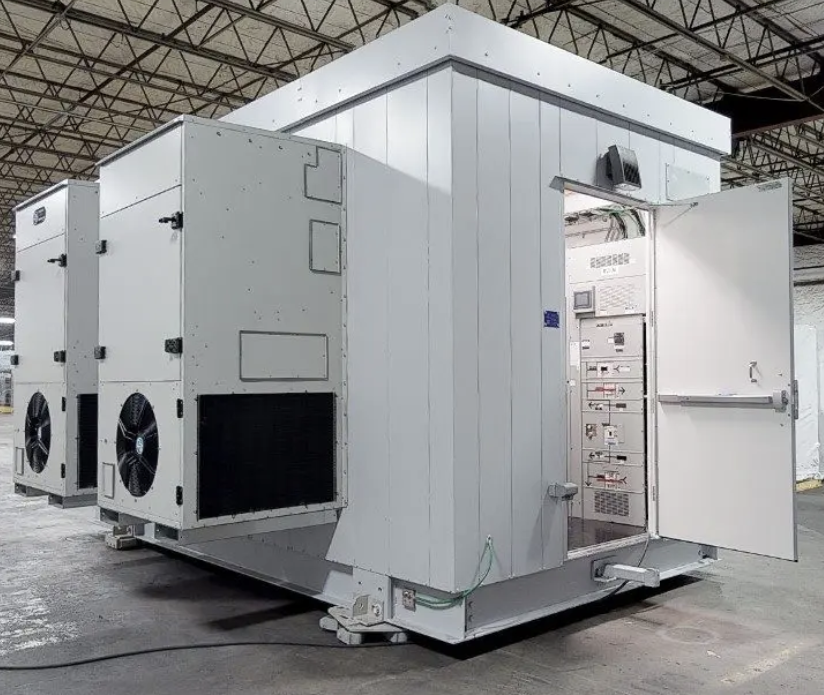
A prefabricated substation, often referred to as a “compact” or “package” substation, is a factory-assembled unit that integrates high-voltage switchgear, distribution transformers, and low-voltage control equipment into a single, weather-resistant enclosure. By shifting the complexity of assembly from the muddy chaos of a construction site to a controlled factory environment, these units provide a plug-and-play prefabricated substation solution that minimizes local disruption and ensures consistent build quality.
Navigating the Nuances of Modern Power Distribution Networks
The current landscape of electrical engineering is moving away from the “one size fits all” approach of the past. Instead of sprawling outdoor stations that require extensive civil engineering, engineers are increasingly favoring modular designs. This shift is driven by the need for localized power management in specific environments—ranging from the high-dust atmospheres of mining sites to the salt-heavy air of coastal shipyards. In these micro-environments, the reliability of a prefabricated substation supplier depends on their ability to protect sensitive components from internal condensation and external corrosion.
A significant hurdle in international power projects is the alignment of local grid requirements with global manufacturing standards. This is where the International Electrotechnical Commission (IEC) standards serve as the universal language of electrical safety and performance. For a manufacturer like Shenheng Power Equipment Co., Ltd. (CHSH), achieving and maintaining IEC standard compliance is not merely a bureaucratic checkbox; it is a technical validation of their R&D capabilities. These standards dictate everything from the dielectric strength of the insulation to the thermal limits of the transformer under full load. By adhering to these rigorous benchmarks, a supplier ensures that their equipment can be seamlessly integrated into diverse power grids across different continents without the risk of catastrophic failure or interoperability issues.
The Strategic Advantage of Chinese Industrial Integration
China’s role in the power equipment sector has matured significantly. The country is no longer just a high-volume producer but has become a hub for sophisticated engineering and supply chain integration. The advantage of a China-based prefabricated substation supplier lies in the proximity to raw material processing and specialized component manufacturing. This “industrial cluster” effect allows for rapid prototyping and shorter lead times, which are critical for projects facing strict deadlines. Furthermore, the extensive experience gained from supporting the State Grid of China—one of the world’s largest and most complex power networks—has provided Chinese manufacturers with a deep understanding of grid stability and load management.
Technical Precision in Prefabricated Substation Design
The core of a high-performance prefabricated substation solution lies in its internal architecture. CHSH specializes in several high-tier configurations, including fully insulated and fully sealed inflatable cabinets and environmental protection gas ring main units. In the context of photovoltaic (PV) power generation, the challenges are unique. Solar farms are often located in remote areas with extreme temperature fluctuations. A specialized photovoltaic prefabricated substation supplier must design enclosures with advanced ventilation and temperature control systems to ensure the distribution transformer operates at peak efficiency even under the scorching midday sun.
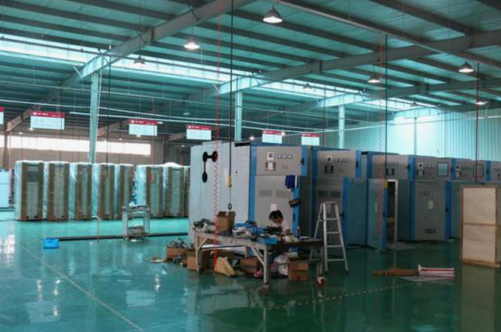
The technical force behind these units involves sophisticated process equipment and perfect testing means. Every unit undergoes rigorous routine tests before leaving the factory, covering insulation resistance, transformation ratio, and circuit breaker operation. For high-rise buildings and hospitals, where power continuity is a matter of safety, the intelligent solid insulated ring main unit is often favored. These units eliminate the risk of gas leakage and provide a more compact footprint, making them ideal for basement installations or tight urban spaces where every square meter is accounted for.
Customization: Meeting Specific Industrial Demands
One of the defining strengths of an experienced exporter is the ability to offer a “custom” rather than “standard” product. Different industries—such as metallurgy, shipbuilding, and intelligent building management—have vastly different electrical signatures. A shipbuilding facility might require enhanced protection against electromagnetic interference, while a mining operation needs a prefabricated substation solution that can withstand physical vibrations and heavy dust ingress.
Customization extends beyond the electrical components to the physical housing itself. Depending on the installation site, the enclosure can be made from stainless steel, aluminum alloy, or glass fiber reinforced cement (GRC), which can be aesthetically treated to blend into residential neighborhoods or university campuses. This flexibility in material science, combined with a strong technical R&D team, allows CHSH to address the specific pain points of global users, ensuring that the equipment is not just functional, but optimized for its specific operational environment.
Reliability Through Comprehensive Service and Testing
Long-term success in the power distribution sector is rarely about the initial sale; it is about the “after-sales” reliability and the lifespan of the equipment. A reputable prefabricated substation supplier provides a complete ecosystem of support, from initial technical consultation and load calculation to installation guidance and maintenance training. This holistic approach is essential for international clients who may be thousands of miles away from the manufacturing plant.
The enterprise’s commitment to quality is reflected in its “testing means,” which ensure that every high and low voltage switch transmission device meets the intended design life of 20 to 30 years. By utilizing advanced sensors and intelligent monitoring systems within the prefabricated substation solution, operators can now receive real-time data on transformer health, oil temperatures, and load status. This move toward “smart” substations reduces the need for manual inspections and allows for predictive maintenance, significantly lowering the total cost of ownership for the end-user.
As global infrastructure continues to evolve toward more decentralized and intelligent power structures, the role of specialized manufacturers remains paramount. Through a combination of IEC-compliant engineering, deep industrial experience, and a focus on customized solutions, the goal is always to provide stable, reliable, and efficient power to every corner of the world.
For more information on high-performance power distribution equipment and custom engineering solutions, visit the official website at: www.shenhengpower.com
Post time: Feb-28-2026